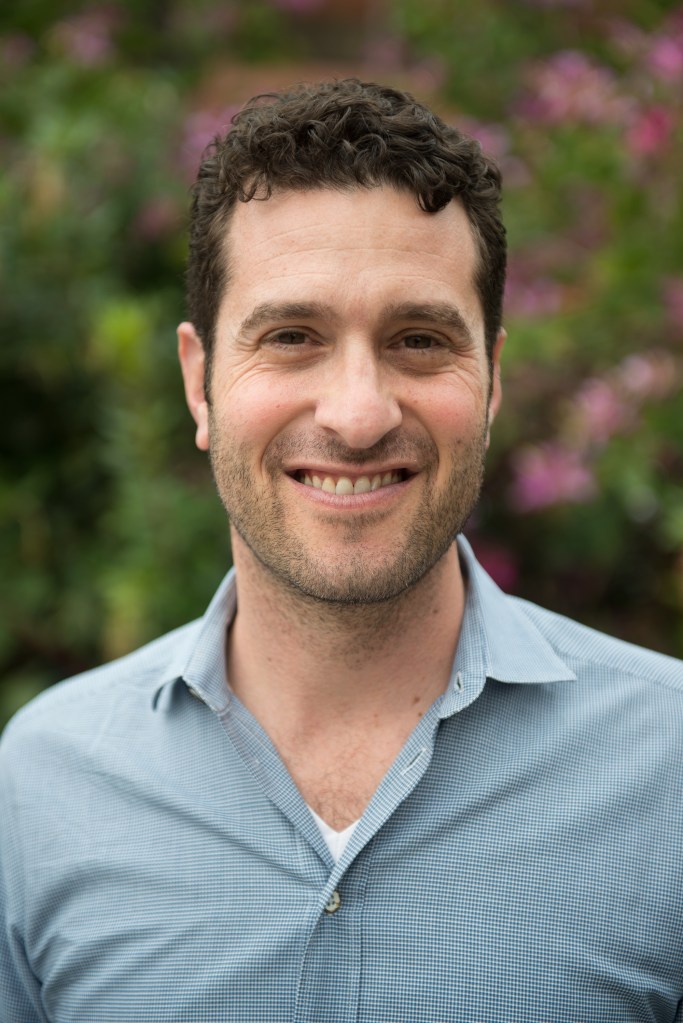
Andrew Lakoff (1970–2026) was a prolific and distinguished scholar of the anthropology medicine, science, and technology; globalization processes; the history of the human sciences; contemporary social theory; and risk society.
He received a B.A. summa cum laude in History (1993) and a Ph.D. in Anthropology (2000) from the University of California, Berkeley. He held a postdoctoral fellowship in medical anthropology at Harvard University (2000–2002). He was professor of sociology and science studies program at the University of California, San Diego (2002–2009), and professor of anthropology, sociology, and communication at the University of Southern California (2009–2026).
Lakoff’s first book, Pharmaceutical Reason: Knowledge and Value in Global Psychiatry (Cambridge University Press), was based on an ethnography of psychiatric practice in Buenos Aires, Argentina. It uncovered political and epistemological debates in global psychiatry by examining the connections and tensions among mental health expertise in Argentina, diagnostic techniques in the U.S., and French biotechnology research. The book charts the globalization of the new biomedical psychiatry, and illustrates the clashes, conflicts, alliances, and reformulations that take place when psychoanalytic and biological models of illness and cure meet. Translated into French and Spanish and widely read and taught, the book has become a classic study on global health.
Lakoff’s research then turned to various forms of risk. He examined questions of biosecurity and emergency planning and explored how governments and institutions assess risks and prepare for uncertain threats. He published a series of influential articles on these topics as well as two books: a prescient book on pandemics, Unprepared: Global Health in a Time of Emergency (University of California Press, 2017) and The Government of Emergency: Vital Systems, Expertise and the Politics of Security (Princeton University Press, 2021), co-authored with Collier as part of a thirty-year collaboration that also yielded a host of articles.
When the COVID-19 pandemic upended the world, Lakoff’s decades-long work on preparedness, governance, pandemics, and global health gave him a unique perspective on the historical and conceptual frameworks that conditioned and shaped responses to the disease. A series of essays, interviews, and presentations became the basis of his book Planning for the Wrong Pandemic: COVID-19 and the Limits of Expert Knowledge (Polity, 2024). For Lakoff, the central question wasn’t why the U.S. fumbled its response despite years of planning and investment. Instead, he unearthed the ways in which key concepts and techniques that guided U.S. policies, which had been emerged gradually over time in the past in preparation for an uncertain future, shaped a misguided response as the pandemic unfolded.
Lakoff’s many collaborations include Limn, an innovative experimental journal he co-founded and co-edited for ten years with Stephen Collier and Christopher Kelty, professor of Society and Genetics, Information Studies, and Anthropology at UCLA.
In 2020, Lakoff founded the Center on Science, Technology, and Public Life (STPL), which he directed until his death. The USC Dornsife-housed center brings together USC faculty, graduate students and postdoctoral fellows from fields as diverse as environmental studies, architecture, computer science and cinema to explore problems at the intersection of science, technology, environment and society. It has funded graduate and postdoctoral fellows and sponsored interdisciplinary lectures and working groups.
Through STPL, Lakoff established the USC Berggruen Fellowship Program (2018–2024), a partnership with the Los Angeles-based Berggruen Institute. This collaboration supported 32 long-term fellows, with an average of $1.5M in funding per year, noted Dr. Nils Gilman, the Berggruen’s Executive Vice President and Chief Operating Officer at the time. The Program brought together scholars and thinkers from across the globe with faculty, postdoctoral fellows, and graduate students at USC.

